

Louise's story
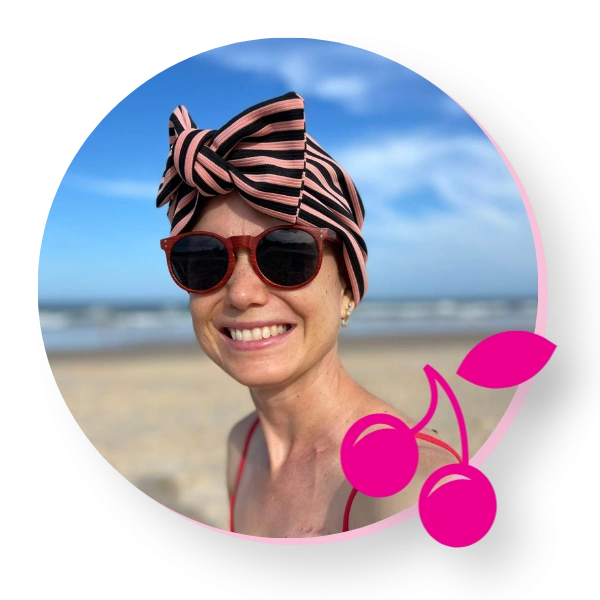
At just 33 years old, Louise had finished nursing her daughter when she noticed a lump in her breast.
At first, she suspected it was mastitis, a common condition associated with breastfeeding. She waited a few days to see whether any other symptoms would develop, but when the lump remained unchanged, she promptly booked an appointment with her doctor.
Further investigations and testing revealed Louise had Triple Negative Breast Cancer (TNBC), an aggressive form of breast cancer.
“The experience of being diagnosed with breast cancer was very intense. My first thought was, ‘How can this happen? I am so young and I have no family history.’ I worried about my daughter.”
Louise underwent a mastectomy followed by 16 rounds of intensive chemotherapy and 15 rounds of radiation therapy.
The treatment took both a physical and emotional toll.
“It was a very emotional time, coming to terms with the reality of being a mother while going through cancer treatment,” said Louise.
There were days when Louise struggled to get out of bed, but she credits the unwavering support of her family, friends and Mater care team with helping her through.
“The nurses, the doctors, the hospital, everyone was so incredible. They provided endless support and always made me feel like I could get through it,” Louise said.
When her treatment ended and she was given the all clear, Louise turned her attention to the next chapter: life after cancer.
Through Mater's Survivorship Clinic, she found the support she needed to rebuild her life and regain confidence in the future.
“Surviving cancer comes with a complex mix of emotions. There is immense gratitude, but also fear, grief and guilt.”
Louise said there are so many emotions to process while also managing the practical realities of everyday life.
Through the clinic, she had access to dietitians, exercise programs and therapists specifically trained to support people who have experienced life-threatening illness. This holistic approach helped her navigate the challenges of survivorship.
“It was the human aspect that made such a difference. The clinicians were amazing and focused on getting me physically well, but the Survivorship Clinic helped me with the human side of recovery, the emotions, health and wellbeing programs, and the practical challenges that can come after a cancer diagnosis.”
While cancer remains a part of Louise's life through regular check-ups and six-monthly scans, it no longer defines her future. Today, her life is filled with hope, purpose and plans for the years ahead, including spending time with her family, continuing her studies and working on projects that support other cancer survivors.
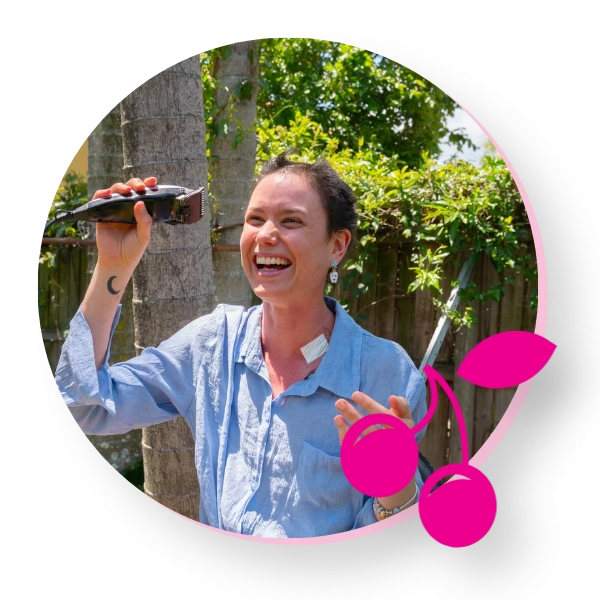
Louise is also deeply grateful for the generosity of Mater Foundation donors, whose support helps fund life-changing cancer research.
“Research is incredibly valuable. It's something I believed in long before my own diagnosis. With TNBC being a rarer and more aggressive form of breast cancer, it's so important that we continue to support research so people can benefit from new knowledge, better treatments and more options for care.”
Triple-negative breast cancer remains a challenging form of breast cancer to treat. The team at Mater Research are working to ensure critical new advancements, understandings and treatments of breast cancer are quickly translated from the research lab to a patient’s bedside.
